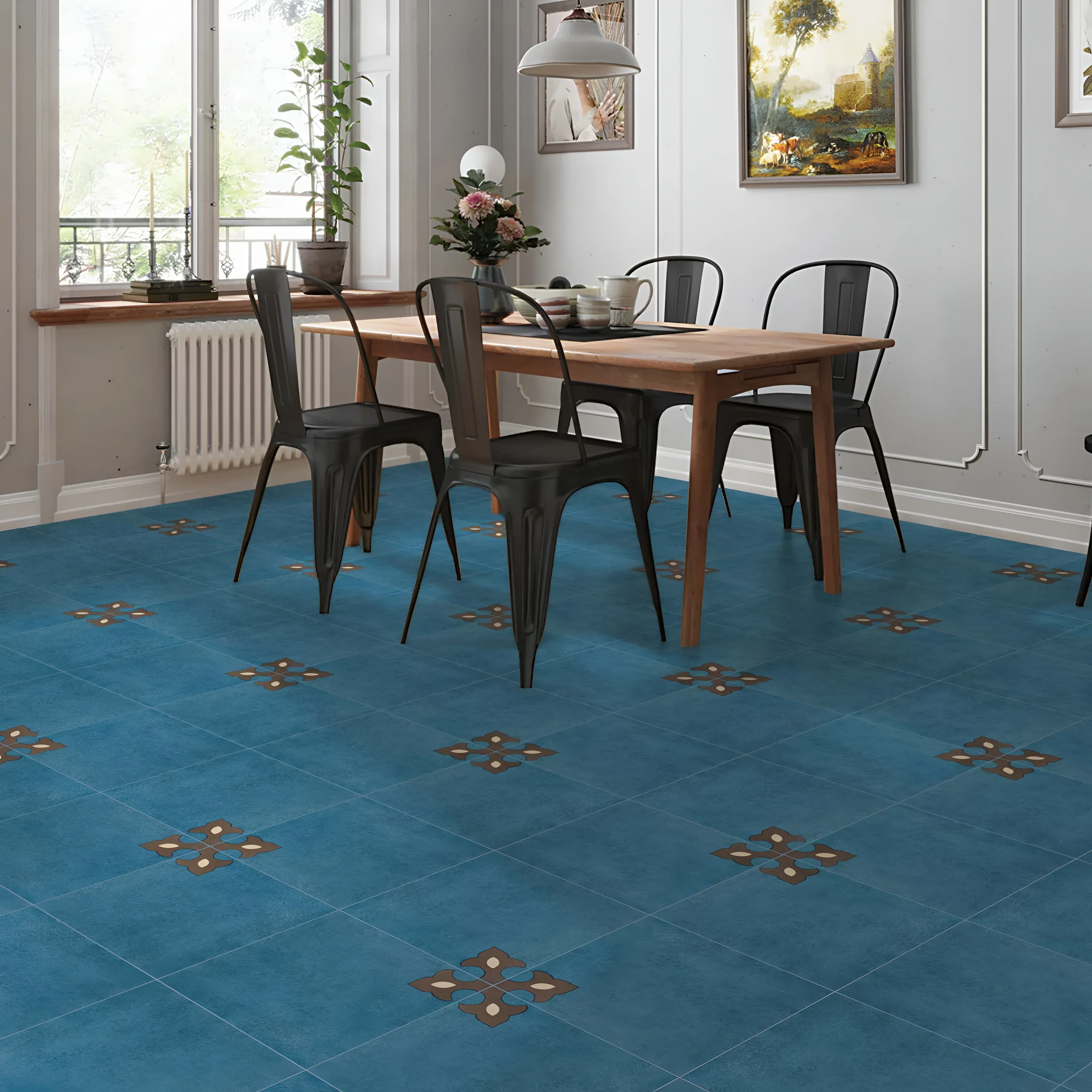
Vitrified, Ceramic, or Porcelain — Which Tile Should You Actually Buy?
“A no-nonsense guide for anyone who's ever stood in a tile showroom feeling completely lost.
A well-tiled home isn't just beautiful — it's a decision you'll live with for 20+ years. Choose wisely.
You've finally decided to renovate your home. You walk into a tile shop, and the salesperson hits you with: "Sir, aap vitrified loge ya ceramic? Ya phir porcelain chahiye?"
And you smile and nod, but inside you're thinking — aren't these all just… tiles?
You're not alone. Most people have no idea what the difference is, and honestly, tile shops don't always help explain it. So here's the real breakdown — in plain English (and a little Hindi), no engineering degree required.
First, Let's Agree on One Thing
All tiles are made from clay and minerals. The difference comes down to how they're made, how hot they're fired, and what they're made of. That's it. Once you understand that, everything else makes sense.
Think of it like bread:
- 🍞 Regular bread = Ceramic
- 🥐 Croissant = Vitrified
- 🥖 Sourdough artisan = Porcelain
Same base ingredients. Very different results.
The Big Three — A Quick Visual Overview
┌─────────────────────────────────────────────────────────────────────┐
│ HOW TILES ARE MADE │
│ │
│ RAW CLAY + MINERALS │
│ │ │
│ ├──────────────────────────────────────────────────────┐ │
│ │ │ │
│ CERAMIC VITRIFIED PORCELAIN │ │
│ (fired ~1000°C) (fired ~1200°C) (fired ~1300°C)│ │
│ │
│ 🏠 Walls mostly 🏠 Floors + Walls 🏠 Heavy-duty │
│ 💧 Not waterproof 💧 Water resistant 💧 Waterproof │
│ 💰 Budget-friendly 💰 Mid-range 💰 Premium │
│ ⚖️ Lightweight ⚖️ Moderate weight ⚖️ Heavy │
└─────────────────────────────────────────────────────────────────────┘
🟫 Ceramic Tiles — The Classic Choice
Ceramic tiles are most commonly used on walls — bathrooms, kitchens, living areas.
What are they?
Ceramic tiles are made from a mix of red or white clay, fired at relatively lower temperatures. They have a glaze on top — that shiny coating is what gives them their colour and design. The body underneath the glaze is still slightly porous.
Where should you use them?
- Bathroom walls ✅
- Kitchen backsplash ✅
- Interior walls ✅
- High-traffic floors ❌ (not ideal)
- Outdoor use ❌ (avoid)
The honest pros and cons:
✅ What's Good
❌ What's Not
Cheapest option
Gets slippery when wet
Easy to cut and install
Not great for heavy foot traffic
Huge variety of designs
Chips more easily than vitrified
Perfect for walls
Absorbs water if glaze chips
Light and easy to handle
Not for outdoor/wet floors
Who should buy ceramic?
If you're tiling your bathroom walls or kitchen backsplash and want to save money without compromising looks — ceramic is your answer. Don't use it on floors where people walk a lot.
⬜ Vitrified Tiles — India's Most Popular Floor Tile
Vitrified tiles are the go-to for living rooms, bedrooms, and hallways across India.
What are they?
"Vitrified" comes from the word vitrum — Latin for glass. During manufacturing, silica and feldspar are added to clay, and the whole thing is fired at very high temperatures. This process fuses everything together into a near-glass-like, non-porous body.
No separate glaze. The colour and pattern go through the entire tile.
The types of vitrified tiles (yes, there are sub-types!):
VITRIFIED TILES
├── Full Body Vitrified
│ └── Same colour all the way through — scratch doesn't show
│
├── Double Charged Vitrified
│ └── Two layers of pigment pressed together — extra durable
│
├── Glazed Vitrified Tiles (GVT)
│ └── Has a glaze coat on top — more design options, slight reduction in hardness
│
└── Full Polished Glazed (PGVT)
└── Mirror-like finish — premium look, can be slippery
Where should you use them?
- Living room floors ✅ (most popular choice in India)
- Bedroom floors ✅
- Kitchen floors ✅
- Light commercial spaces ✅
- Outdoor areas ⚠️ (check if rated for outdoor use)
- Bathroom walls ⚠️ (possible but ceramic is cheaper)
The honest pros and cons:
✅ What's Good
❌ What's Not
Very durable
More expensive than ceramic
Water resistant
Heavier — needs proper substrate
Huge variety of finishes
Polished versions can be slippery
Great for floors
Harder to cut on site
Low maintenance
Premium finishes show footprints
Who should buy vitrified?
Almost everyone doing home renovation in India. If you're doing your hall, bedroom, or kitchen floor — vitrified is the standard answer. It's the sweet spot between cost, durability, and looks.
🌑 Porcelain Tiles — The Heavy-Duty Player
Porcelain tiles are used in premium homes, commercial spaces, and outdoor areas.
What are they?
Porcelain is essentially vitrified taken to the extreme. It uses white kaolin clay (purer and finer than regular clay), fired at even higher temperatures for longer. The result? An incredibly dense, almost zero-porosity tile that barely absorbs any water at all.
The key number: Water Absorption < 0.5%
That's the official definition of porcelain. Anything above that is technically ceramic or vitrified. This low absorption makes porcelain the right choice for places that stay wet.
Where should you use them?
- Outdoor areas ✅ (won't crack in frost or heat)
- Bathroom floors ✅
- Commercial spaces ✅
- Hospital/hotel lobbies ✅
- Swimming pool surrounds ✅
- Large-format floor applications ✅
The honest pros and cons:
✅ What's Good
❌ What's Not
Extremely durable
Most expensive of the three
Waterproof — even in wet conditions
Heavy — requires stronger flooring base
Works outdoors
Difficult to cut, needs wet saw
Very low maintenance
Fewer budget options
Scratch resistant
Professional installation needed
Who should buy porcelain?
If you're building an outdoor patio, terrace, wet bathroom floor, or a premium living space — porcelain is worth the extra cost. Also the right choice for commercial or high-traffic spaces.
Side-by-Side Comparison — All Three at a Glance
┌──────────────────┬──────────────┬───────────────┬──────────────┐
│ FEATURE │ CERAMIC │ VITRIFIED │ PORCELAIN │
├──────────────────┼──────────────┼───────────────┼──────────────┤
│ Material │ Clay + glaze │ Clay + silica │ Kaolin clay │
│ Firing Temp │ ~1000°C │ ~1200°C │ ~1300°C │
│ Water Absorption │ 3–7% │ 0.5–3% │ <0.5% │
│ Hardness │ Low-Medium │ Medium-High │ Very High │
│ Weight │ Light │ Medium │ Heavy │
│ Best For │ Walls │ All floors │ Outdoor/wet │
│ Price (rough) │ ₹20–60/sq ft │ ₹35–120/sq ft │ ₹80–300/sq ft│
│ Slippery? │ Yes (wet) │ Depends │ Depends │
│ DIY-friendly? │ Yes │ Moderate │ No │
│ Outdoor-safe? │ No │ Limited │ Yes │
└──────────────────┴──────────────┴───────────────┴──────────────┘
Prices are approximate and vary by brand, finish, and region.
"Which One Is Right for MY Home?" — A Simple Decision Guide
Not sure where to start? Answer these 3 questions:
1. WHERE will the tile go?
│
├── WALL → Ceramic (save money, looks great)
│
└── FLOOR → Go to question 2
│
├── OUTDOOR / WET AREA → Porcelain (waterproof, frost-safe)
│
└── INDOOR FLOOR → Go to question 3
│
├── BUDGET PRIORITY → Ceramic (if light use)
│
└── DURABILITY PRIORITY → Vitrified ✅
Common Mistakes People Make (So You Don't Have To)
❌ Mistake #1: Using ceramic on bathroom floors
Ceramic looks great on walls but gets dangerously slippery on wet bathroom floors. Use vitrified or anti-skid porcelain on floors.
❌ Mistake #2: Buying polished tiles for a kitchen
That mirror finish looks stunning in the showroom. At home, every footprint and water drop shows. For kitchens, go for matt finish or satin finish vitrified tiles.
❌ Mistake #3: Not checking the PEI rating for floors
The PEI (Porcelain Enamel Institute) rating tells you how tough a tile is:
- PEI 1–2: Walls only
- PEI 3: Light foot traffic (bedrooms)
- PEI 4: Normal residential floors
- PEI 5: Heavy commercial use
Always ask for the PEI rating when buying floor tiles.
❌ Mistake #4: Ignoring tile size vs. room size
Big tiles (800×800 or 1200×600) make a small room look more spacious. Small tiles in a big hall look cluttered. Match the tile size to your room.
❌ Mistake #5: Forgetting the grout
The gap between tiles (grout joint) matters. Vitrified tiles are often laid with minimal grout lines (1–2mm) for a seamless look. Don't forget to factor in matching grout colour.
Finish Types — Because "Shiny" Isn't the Only Option
Different finishes completely change how a tile looks and feels in a room.
Finish
Look
Best For
Slippery?
High Polish / Mirror
Glossy, reflective
Living rooms, feature walls
Yes — avoid in wet areas
Matt
Flat, no shine
Bedrooms, kitchens
No — safe underfoot
Satin
Slight sheen
All-purpose floors
Slightly
Rustic / Lappato
Textured, natural
Outdoor, bathrooms
No
Sugar / Sparkle
Subtle glitter effect
Bedrooms, living rooms
No
Care & Maintenance Tips
Once your tiles are laid, keeping them looking new is simple:
For Ceramic (walls):
- Regular wipe with a damp cloth
- Mild cleaner for grout lines
- Avoid abrasive scrubbers that scratch the glaze
For Vitrified (floors):
- Sweep daily, mop weekly
- Use a pH-neutral floor cleaner
- Avoid bleach — it can dull the polish over time
- Re-polish every few years if it looks dull
For Porcelain (outdoor/wet):
- Hose down or pressure wash
- Anti-fungal cleaner for outdoor tiles
- Seal the grout once a year to prevent staining
The Deep Ceramics Difference
At Deep Ceramics, we stock tiles across all three categories — from budget-friendly ceramic wall tiles to premium large-format porcelain slabs. Our team can walk you through:
- ✅ Right tile for each room
- ✅ Finish recommendations based on your lifestyle
- ✅ Size guidance for your floor plan
- ✅ Installation tips and contractor referrals
“📍 Visit us in-store or browse our full catalog at deepceramics.in
Quick Recap
If you need...
Go with...
Wall tiles on a budget
Ceramic
Living room / bedroom floor
Vitrified
Outdoor terrace / patio
Porcelain
Wet bathroom floor
Porcelain or anti-skid vitrified
Kitchen floor (busy house)
Matt vitrified
Premium look, high traffic
Full-body vitrified or porcelain
Got questions before buying? Drop us a message on the website or visit our showroom. We're here to make sure you don't regret your tile choice 10 years down the line.
Tags: tile guide vitrified tiles ceramic tiles porcelain tiles home renovation flooring India bathroom tiles kitchen tiles deepceramics
Author: Deep Ceramics Team | Category: Buying Guides | Read time: ~8 minutes